
Marijuana regulation, public records, and rent stabilization certified for 2026 midterm ballot
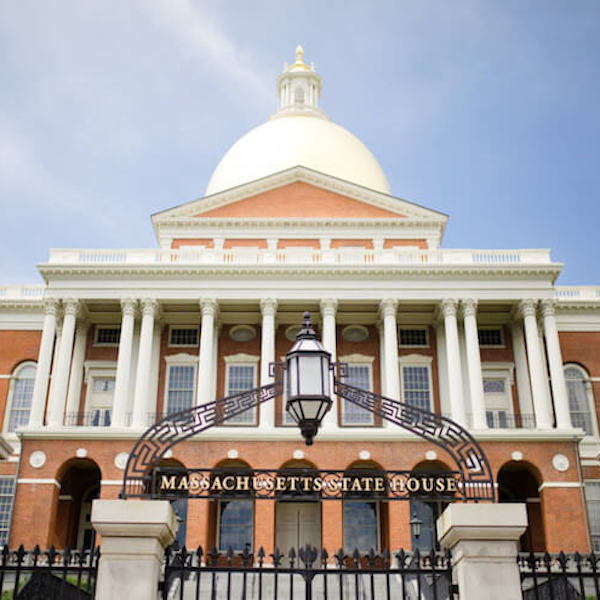
With the midterms only ten months away, a total of 12 ballot measures have been approved by Secretary of State William Galvin to appear on the ballot.
“An Act to Restore a Sensible Marijuana Policy,” would repeal laws legalizing and regulating the recreational use of marijuana. Adults over the age of 21 would still be able to possess and gift up to an ounce, but commercial sales and home cultivation would be repealed. A civil penalty of $100 and forfeiture of the substance would be imposed for possession of marijuana between one and two ounces.
An objection to the measure has been raised, alleging that the signatures required to place the item on the 2026 ballot were collected under false pretenses by linking them to other measures.
“Among the misleading statements were assertions that the law proposed on the petition blanks they were signing would get fentanyl off the streets, provide affordable housing in their communities, or fund public parks,” reads the objection. “Each of these assertions would be apt with respect to one or more of the other initiative petitions approved by the Attorney General, but have nothing to do with Initiative Petition 1E.”
Wendy Wakeman, Chair of the ballot committee backing the proposal, responded that the signatures were collected with integrity and that she is confident the proposal will remain on the ballot. A hearing on the objection will be held January 13.
Championed by State Auditor Diana DiZoglio, the “Initiative Petition for a Law to Improve Access to Public Records” would make records held by the state legislature and the governor’s office subject to the Massachusetts Public Records Law.
“If [lawmakers] don’t want to give the documents to me, I’m just going to work to make sure that those documents are given to you all directly and will take out their bogus constitutional limitations,” she told the CommonWealth Beacon in November.
Documents related to developing policy positions and communications between legislative offices and their constituents related to accessing services or benefits will be exempt from the measure.
“An Initiative Petition to Protect Tenants by Limiting Rent Increases,” would limit the annual rent increase for residential units by the annual increase in the Consumer Price Index or 5%, whichever is lower, in any 12 month period. Units in an owner-occupied building of four or fewer units, which are regulated by a public authority, or for which the first residential certificate of occupancy is less than 10 years old, will be considered exempt.
The ballot committee behind the measure, Homes For All, designed the new policy with input from residents and experts across the state to combat displacement, preserve communities, and support small landlords.
“This modern rent stabilization policy will protect tenants from big corporate investors who unreasonably increase rents, while allowing local landlords to earn a reasonable profit and enabling new construction to address housing shortages,” they said in a statement.
Other initiatives include the regulation of legislative stipends, a new tax on golf courses to support conservation efforts, and the specification that employees of the Committee for Public Counsel Services are permitted to engage in collective bargaining.


Jacob Downey is a contributor to Caught in Dot. He is formerly of The Clock, Plymouth State University’s award-winning student newspaper. He enjoys spending time with his two kittens – Gin and Tonic – reading Uncanny X-Men and writing about local government meetings.
Good Neighbor Cafe block party brings free coffee to O Street with a side of controversy
Flynn Renews Call for Boston “Rat Czar” After Report of Rat Jumping Into Child’s Stroller in Southie
South Boston Obituary: Gretchen (Lindenfelzer) Crowley