
Councilor Flynn Files Hearing Order on a Moratorium for Artificial Intelligence (AI) Data Centers
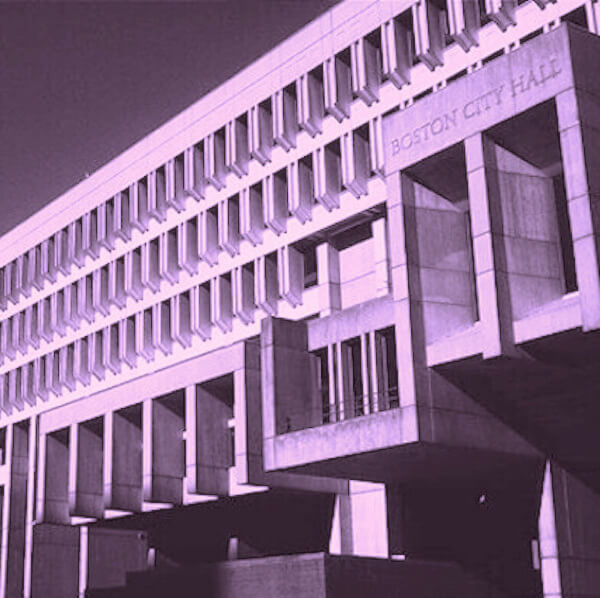
BOSTON- This week, Boston City Councilor Ed Flynn filed a hearing order to discuss a moratorium on artificial intelligence (AI) data centers in Boston. In recent years, state and local governments across the country have been slow to adjust and regulate advances in emerging technologies, including continued public and pedestrian safety issues related to both rideshare and third-party food delivery applications. Over the last year, municipalities across the country have heard from constituents concerned about the potential impacts of AI data centers on electricity and utility bills, fresh water consumption and sustainability, contaminated soil, and noise pollution among others.
During a nationwide affordability crisis, local communities across the United States have raised concerns on the impact of large-scale data center infrastructure on their electricity bills. Data centers also require cooling systems and consume significant amounts of freshwater. The indirect water consumption from data centers in the United States reached an estimated 211 billion gallons in 2023, increasing concerns about water scarcity and sustainability. Moreover, Data centers generate continuous noise pollution from cooling systems and equipment, with nearby residents reporting persistent humming that negatively impacts their quality of life and public health.
This month, a bipartisan bill passed the Maine Legislature to impose an 18-month moratorium on new data centers, while Port Washington, Wisconsin passed a referendum requiring AI data center projects in excess of $10 million that receive tax benefits to first obtain approval from local voters.While the state of Massachusetts and the City of Boston have been supportive of AI data center development in referencing competitiveness and the innovation economy, concerns regarding community impact and electricity costs have been acknowledged. In Lowell, the Markley Data Center has raised similar concerns among residents regarding noise pollution, air quality, and lack of transparency in expansion plans. This led to the City of Lowell imposing a moratorium on further expansion.
More than 4,200 data centers now operate across the United States, and their rapid expansion is increasingly affecting the daily lives of hundreds of thousands of residents. While municipalities have been slow to regulate impacts of innovation technology in recent years, it is critical that the City of Boston exercise transparency and discuss a potential moratorium on data centers.
“For years, municipalities have been slow to regulate advances in emerging technologies and impacts to public safety and quality of life. While it is critical that our city and state remain at the forefront of technology and mindful of economic growth, local governments continue to hear from constituents on negative impacts from artificial intelligence (AI) data center infrastructure – including electricity usage and utility bills, water consumption and sustainability, noise pollution, among others. With technology as advanced, far-reaching, and consequential as AI and data centers, the City of Boston must exercise transparency and carefully consider any impacts on employment, cost of living, and the environment for our residents.”
For more information, please contact Councilor Flynn’s office at 617-635-3203 or [email protected].


Maureen Dahill is the founder of Caught in Media. Once a longtime wardrobe and prop stylist for brands such as Rue La La, TJ Max & Hasbro, she is a devoted lover of vintage clothing, Martini Mondays, Castle Island, AND a 4th generation South Boston native. Mother of three, married to Peter G.
Early Voting in Boston Begins Saturday – Here’s What You Need to Know
Boston City Councilors Call for Veterans Services to Oversee Hero and Blue Squares
Tenants Left Waiting as Move-In Dates Keep Getting Pushed Back at Fort Point Apartment Building