
May is Skin Cancer Awareness Month: Skin cancer prevention starts early – and matters at every age
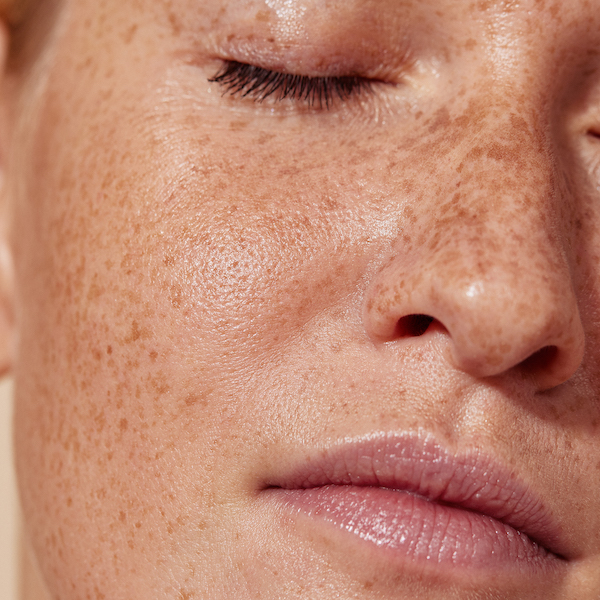
Skin cancer prevention is important for every person at every age. Whether it’s a kid on the playground, a teen on the sports field or an adult working in the yard, we all need to take steps to protect our skin from the sun. May is Skin Cancer Awareness Month—a time to learn about this disease, how to prevent it and detect it early for better outcomes.
Despite being one of the most preventable cancers, skin cancer is the most commonly diagnosed cancer in the United States. Although the exact number is unknown, it is estimated that more than five million people in the United States are diagnosed with the more common types of skin cancer—either basal cell or squamous cell carcinoma—each year. An estimated 112,000 U.S. adults will be diagnosed with melanoma, the deadliest type of skin cancer, in 2026. In Massachusetts alone, an estimated 1,370 will be diagnosed with melanoma this year.
Anyone, regardless of skin color, may develop skin cancer. Although skin cancers are less common in people with darker skin, when they occur, they are often diagnosed at more advanced stages when they are harder to treat.
Fortunately, you can take steps to reduce your risk of skin cancer. Most cases are caused by exposure to the sun’s ultraviolet (UV) rays. Wear clothing, hats and sunglasses that block UV rays, and apply broad spectrum sunscreen with SPF 30 or higher daily—even on cloudy days. If you can, stay out of the sun when the UV rays are most intense (generally between 10 a.m. and 4 p.m.). Indoor tanning is not safe and should be avoided.
It’s a good idea to have a health care provider examine your skin every year. When found early, most skin cancers can be treated successfully. Unfortunately, more than 50% of U.S. adults are not up to date or are unsure if they are up to date on their skin cancer check, according to the Prevent Cancer Foundation’s 2026 Early Detection Survey. If this is you, make an appointment with your health care provider or dermatologist today.
You should also check your own skin monthly to look for possible signs of skin cancer. Use the ABCDEs of skin cancer to help you when examining your skin for suspicious moles:
• Asymmetry
• Border irregularity
• Color that is not uniform
• Diameter greater than 6mm
• Evolving, size, shape or color
See a health care provider if you notice any changes in size, shape or elevation of a mole, or any new symptoms such as bleeding, itching or crusting.
Learn more at www.preventcancer.org/skin.
Margaret Lynch is the spouse of Rep. Stephen Lynch and a member of the Prevent Cancer Foundation’s Congressional Families® Program.


Calling All Book Lovers! Boston Seaport Book Fair Returns Saturday
Shop Local: Forget Prime Big Deal Days and shop our local small businesses
Life Time is Coming to the Seaport